


From grab rails to renovations: home modifications with Victoria’s NDIS builders
 For many NDIS participants, the home is where independence is won or lost. A bathroom that’s difficult to navigate safely, a doorway too narrow for a wheelchair, or a step at the front door that makes coming and going a daily challenge – these aren’t minor inconveniences, they’re real barriers to living well.
Home modifications funded through the NDIS are designed to remove those barriers. But if you’ve started looking into the process, you’ve probably come across the terms “minor” and “complex” modifications, and wondered what they mean in practice, and where a builder fits in.
What counts as a minor home modification?
Minor home modifications are straightforward, non-structural changes to your home, meaning they won’t affect the load-bearing structure of your house. They’re usually focused on one or two areas and carry a relatively low risk of complications during or after the work is done.
Common examples of minor modifications include:
- Grab rails and handrails in bathrooms, hallways, and at entry points
- Lever-style tap fittings and door handles
- Non-structural doorway widening
- Shower seats and portable or fixed shower aids
- Step modifications at home entry points
The NDIS splits minor modifications into two categories based on cost: Category A covers modifications under $10,000, and Category B covers modifications between $10,000 and $20,000, or minor changes to a bathroom floor.
The approval process for minor modifications has been streamlined in recent years. Eligible participants don’t need to go through lengthy NDIA approval processes for minor, non-structural modifications under $20,000. Once the NDIA agrees on what’s needed and an assessment from a qualified occupational therapist of the proposed changes has been performed, funds are made available for participants to find a suitable provider and get the work done.
What counts as a complex home modification?
Complex modifications are a more significant undertaking. They typically involve structural changes, affect multiple areas of the home, and require formal building approvals and certified trades work, such as plumbing, electrical, or both.
Examples of complex modifications include:
- Full bathroom redesigns for wheelchair or hoist access
- Combining a bathroom and toilet to create turning space
- Widening structural doorways or removing walls
- Installing ceiling hoists and tracking systems
- Building or modifying accessibility ramps
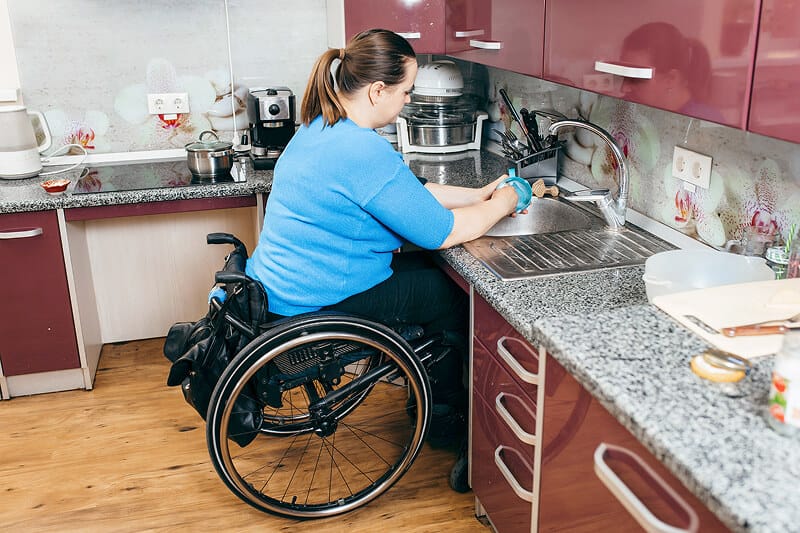
- Accessible kitchen modifications involving cabinetry and layout changes
Because of the scope, complex modifications require two itemised quotes from builders. A specialist occupational therapist, qualified as a home modification assessor, must assess your needs at home, recommend the scope of works, and certify that the completed modifications meet your goals. An independent building certifier may also be required before final payment is released.
Complex modifications can take longer to plan and complete, but they can also deliver the most significant outcomes, transforming a home from unworkable to fully functional.
Where does the builder come in?
An experienced NDIS-registered builder in Victoria acts as a specialist partner:
- They understand the NDIS funding framework and quoting requirements
- Coordinate with your occupational therapist or Building Works Project Manager
- Ensure all works comply with the National Construction Code and relevant Australian Standards
- Manage any required building permits or certifications
- Keep the process moving so delays don’t leave you waiting
Choosing the right builder makes a real difference. NDIS home modifications aren’t the same as standard residential construction. The documentation requirements, the role of the OT, and the need to link every decision back to your functional goals means that experience with the NDIS process matters.
What to look for in an NDIS builder in Victoria
Not all builders are familiar with the NDIS. When choosing a builder for home modifications in Victoria, look for someone who:
- Is a registered or approved NDIS provider
- Has demonstrated experience with both minor and complex home modifications
- Understands how to work alongside occupational therapists and support coordinators
- Can provide detailed, itemised quotes that meet NDIA requirements
- Is licensed and insured to carry out the relevant trades in Victoria
- Communicates clearly and keeps you informed throughout the process
It’s also worth noting that your OT should be independent of your builder. This is an NDIS requirement, and it protects your interests by ensuring the recommended scope of works is based solely on your needs.
What Restore Home Modifications does
Restore Home Modifications specialises in NDIS home modifications across Victoria, from straightforward grab rail installations through to full bathroom redesigns and complex structural alterations. We operate within the NDIS framework, consult with occupational therapists, and undertake modifications according to your functional needs and long-term goals.
We know it can be overwhelming working with the NDIS system, especially when building work is involved. Our job is to take this stress away from you and handle the paperwork, the NDIS compliance, and the actual building work.
If you would like to discuss your home modification needs with our NDIS builders in Victoria, you can contact us on 1300 333 746 or fill out our contact form.
Frequently Asked Questions
Do I need an OT assessment before I contact an NDIS builder?
For most modifications, yes. An occupational therapist assesses your needs and recommends the appropriate scope of works. For Category B and complex modifications, this assessment must be completed by a qualified home modification assessor before a builder can be formally engaged. That said, there’s no harm in speaking with a builder early. A good one can help you understand what’s involved before the formal process begins.
Can I choose my own NDIS builder in Victoria?
Yes. Once your funding is approved and included in your plan, you can choose any registered, licensed provider who is qualified to do the work. It is advisable to choose a builder who has experience with NDIS, as they will know what is required when quoting and how to work with your support team.
What if I rent my home?
You can still access NDIS home modification funding as a renter, but you’ll need to have written permission from your landlord/housing provider before works can proceed.
How long does the process take?
Minor modifications can sometimes be approved within 6 weeks, but more complicated changes involving structural assessments, quotes from various builders, and documentation can take longer. It is always advisable to have your OT assessment and documentation ready prior to your application to avoid any delays. In cases of major modifications, it is advisable to consider an NDIS Building Works Project Manager to make it an even more streamlined process.
Can I start work before NDIS funding is approved?
No. Starting work before receiving formal NDIS approval means you risk missing out on reimbursement entirely. Always wait for written confirmation that funding has been included in your plan before engaging a builder to commence works.